
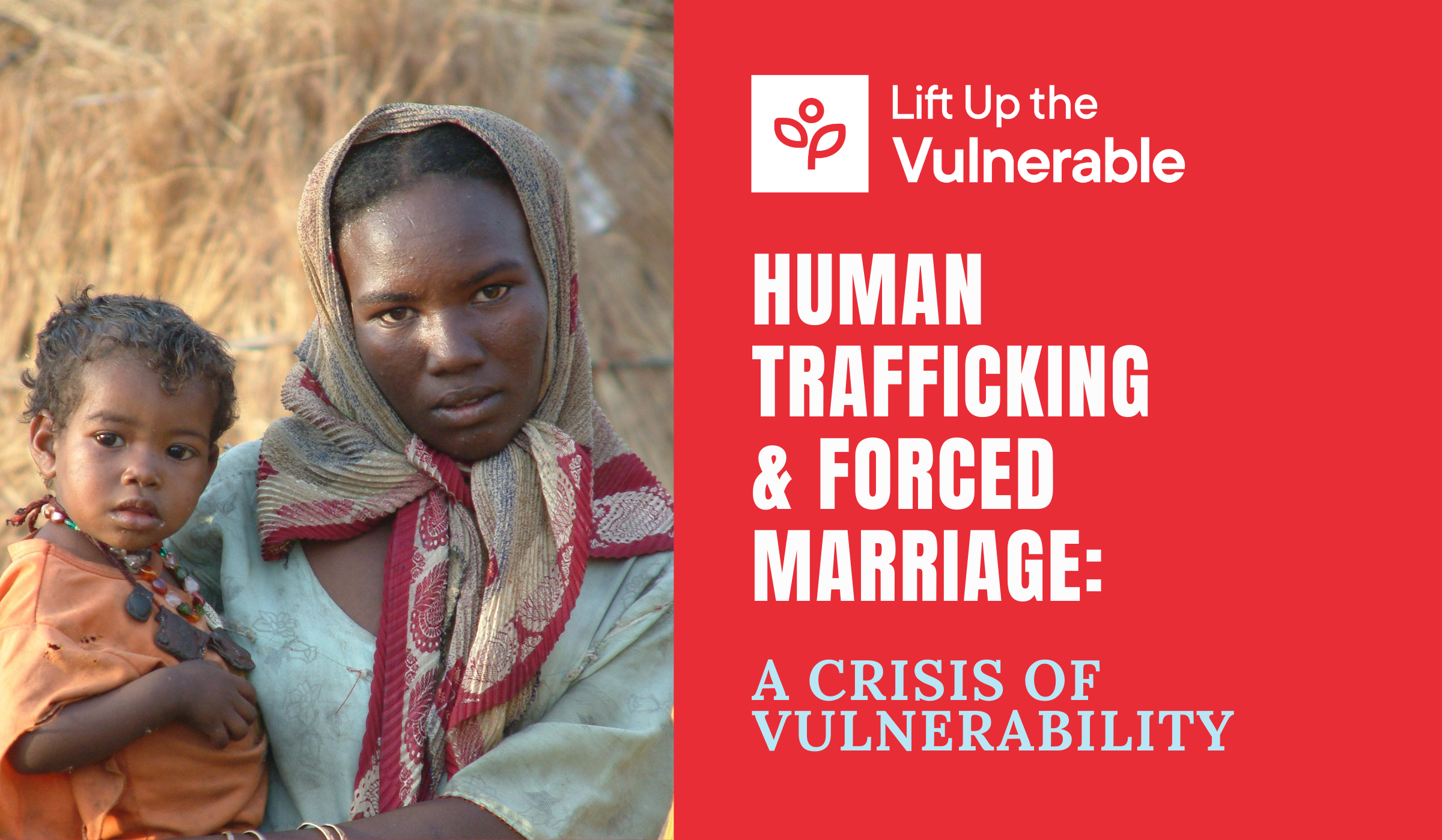
When we address the vulnerabilities that make early or coerced marriage seem like the only option, we create space for something better — education instead of exploitation, protection instead of coercion, and opportunity instead of harm. Protecting childhood and honoring the autonomy of women means standing firm against systems that normalize abuse and investing in a future where every child is free to grow, learn, and step into adulthood with hope.
Defining Child vs. Forced Marriage
Child marriage and forced marriage are global issues that cut across countries, cultures, religions, and ethnicities. Driven by gender inequality, poverty, harmful social norms, and insecurity, these practices have devastating consequences for children and women worldwide.
Child marriage is defined as any marriage before the consenting age of 18. Because children cannot provide full, free, and informed consent due to their age, child marriage is inherently a form of forced marriage. Forced marriage refers to situations where a person of any age marries without the free and full consent of both parties, including anyone under the age of 18 who is not able to give full consent.
Forced marriage often occurs when a person is compelled to marry through pressure, coercion, threats, abuse of power, or arrangements involving the exchange of money, property, or goods.
The Overlap: Marriage and Exploitation
Human trafficking involves the recruitment, transportation, harboring, or receipt of a person through force, coercion, abuse of power, or vulnerability for the purpose of exploitation according to United Nations Human Rights.
Forced marriage is widely recognized as a human rights violation and, in many circumstances, can constitute human trafficking under this definition.
In many contexts – especially those shaped by poverty, displacement, or conflict – marriage may occur under intense pressure rather than genuine choice. When individuals are compelled to marry for survival, protection, financial exchange, or family obligation, the marriage may not be freely chosen and can reflect patterns of coercion and exploitation seen in human trafficking.
Children cannot give meaningful, informed consent to marriage due to their age and developmental stage. Likewise, consent is not valid when women are pressured, threatened, economically coerced, or physically forced into marriage.
Understanding these connections is essential to identifying effective strategies for prevention and protection.
What is the Data Saying?
Child and forced marriage remains alarmingly widespread.
- About 650 million women and girls alive today were married before the age of 18 — this represents roughly 1 in 5 women globally (UNICEF)
- Each year, about 12 million girls are married before turning 18 (UNICEF)
- The overwhelming majority of forced marriages (more than 85 per cent) was driven by family pressure (IOM)
Regional disparities are significant.
In the Middle East and North Africa – including Sudan and South Sudan – millions of girls remain at high risk.
- South Sudan ranks #5 with the highest prevelance rates of child marriage globally.
- Approximately 52% of girls marry before age 18, and nearly 9% marry before age 15 (UNICEF)
- In Sudan, about 34% of girls marry before 18, with 12% before age 15. These rates can increase to >50% in remote villages; like where LUV works in the Nuba Mountains (UNICEF)
Conflict significantly increases risk. Families facing displacement, hunger, or insecurity may see early or forced marriage as a survival strategy.
These statistics represent millions of girls whose futures are altered before they reach adulthood, as well as women whose lives and choices are constrained by coercion, insecurity, or lack of viable alternatives.
The Impact: How & Why Child and Forced Marriage Persist in Areas of Conflict and Poverty
Child and forced marriage reshape lives before they have fully begun. In situations of poverty, gender inequality and conflict, children are forced into marriages before they are ready, robbing them of control over their own lives. Young girls face cut-short education, early motherhood, and limited opportunities.
1. Economic inequality: Financial insecurity is a powerful motivator for families in areas of extreme poverty. As young women often have limited opportunity to contribute economically through employment, marriage may be viewed as a means of bringing resources into the family through transfers of money, property, or goods from the groom’s family.
Dowries, often in the form of cattle in areas where LUV works, can provide families with immediate financial relief or protection. In such circumstances, economic pressure can turn what appears to be marriage into a form of coercion — particularly when a girl or woman has no meaningful ability to refuse.
2. Health Consequences: Early pregnancy carries serious health risks, particularly for girls under 18. Complications during childbirth remain one of the leading causes of death for adolescent girls in many low-income and conflict-affected regions.
3. Physical Violence and Insecurity: Beyond health risks, forced brides – including child brides – often face increased vulnerability to domestic violence, social isolation, and financial dependence. Their ability to make decisions about their own bodies, education, or economic future becomes limited.
In many cases, these marriages also expose girls and women to lifelong patterns of control and exploitation. Without education or economic opportunity, leaving an abusive marriage may be nearly impossible.
4. Gender Inequality and Social Norms: Child marriage can also perpetuate inequality across generations. Girls who leave school early are less likely to be able to support their children’s education, increasing the likelihood that poverty and vulnerability will continue.
Deeply rooted social expectations also play a powerful role. In many rural or pastoral communities, early marriage is not simply an individual decision but a long-standing cultural practice reinforced across generations. Girls are often valued primarily for their roles as wives and mothers, while boys are more likely to be encouraged to pursue education, leadership, or economic independence. This imbalance can limit girls’ opportunities and reinforce the belief that marriage is their primary path to security or social status.
This mentality becomes dangerous when it normalizes marriages that occur without full and free consent. When tradition, economic necessity, or gendered expectations outweigh a girl’s autonomy, harmful practices can continue largely unchallenged.
Shifting toward a culture that values education, safety, and the independence of young girls and women requires intentional and sustained effort.
How Lift Up the Vulnerable Is Working to Prevent Child and Forced Marriage
Child and forced marriage do not happen in isolation. They grow where poverty, instability, gender inequality, and lack of protection remain unaddressed.
That is why Lift Up the Vulnerable focuses on prevention.
Through access to safe houses, education, and economic development programs — carried out through LUV’s indigenously led anti-trafficking network in Sudan and South Sudan — we work to reduce the vulnerabilities that make early or forced marriage feel like the only option.
Within our anti-trafficking network, we have clear protection policies in place. No child in our care may be forced into marriage. Likewise, no child may be transferred, relocated, or placed into any situation that constitutes trafficking or coercion.
Relatives or guardians sign formal agreements acknowledging these policies and committing to protect the child’s right to education, safety, and freedom from exploitation — including forced marriage. If these agreements are violated, our local leadership works through community structures and, when necessary, local courts to pursue accountability.
These safeguards help ensure that every child in our network is given the opportunity to grow, learn, and discover who they were created to be – free from coercion, exploitation, and fear.
Child and forced marriage thrive where vulnerability is the greatest – but they can be prevented. When families are supported, communities are strengthened, and children are protected, lasting change is not only possible – it’s already happening.