
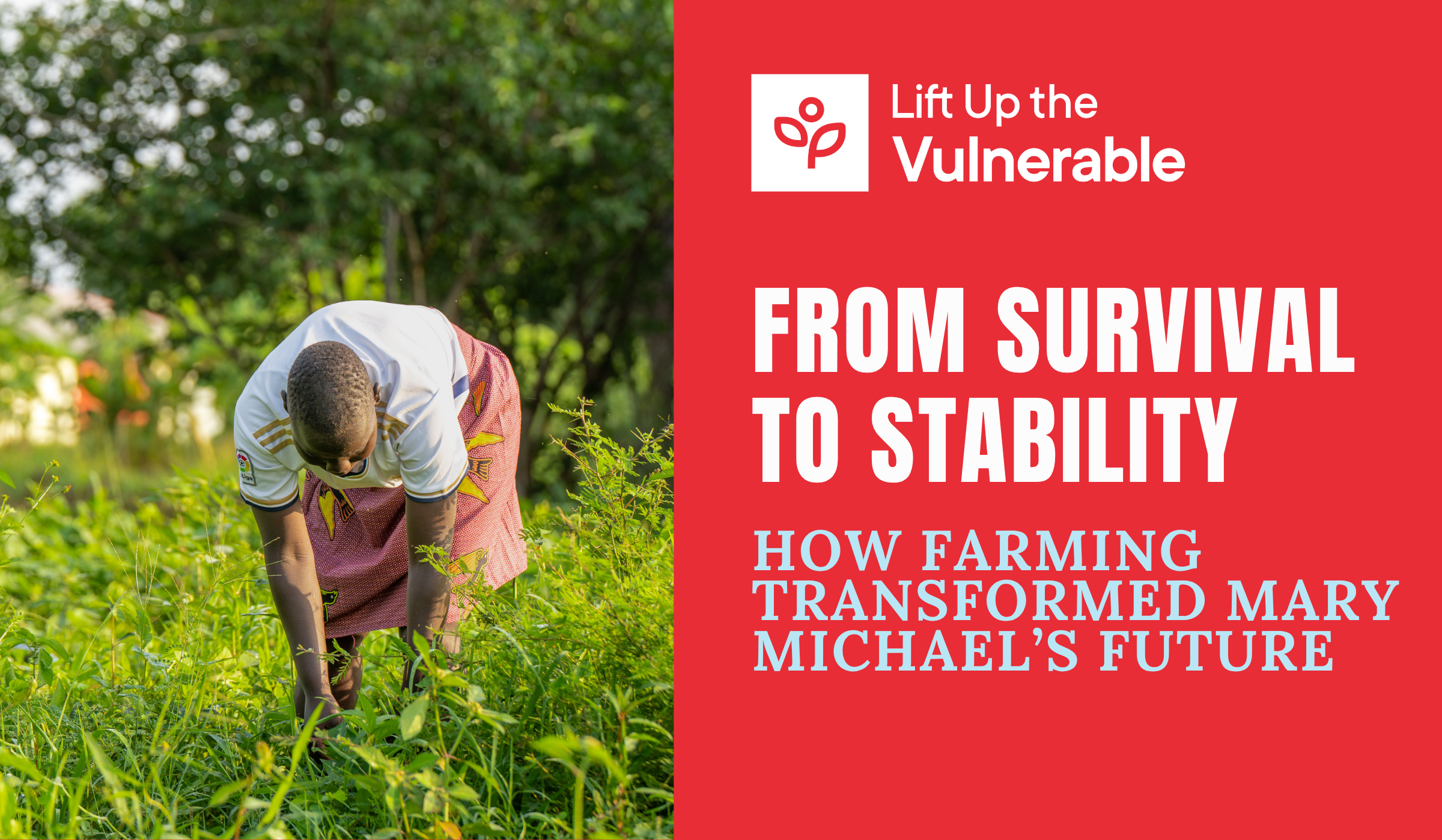
In a small village in South Sudan, where conflict has made daily life unpredictable and resources scarce, Mary Michael’s world once revolved around a single question:
Would there be enough food today?
At 25 years old, Mary Michael is a mother of two and a farmer. For years, she worked on a small 0.6-acre plot of land, growing maize the only way she knew how — without the training or resources needed to improve her harvest.
But despite her effort, her crop yields were inconsistent and never enough, which led to smaller meals for her and her family — often just one or two a day.
Her children felt it the most.
Without access to diverse crops, their diets lacked the nutrients they needed to grow strong. Illness was common. Energy was low. And in a region already strained by conflict, the weight of food insecurity pressed heavily on her family.
Still, Mary Michael kept going. Because farming wasn’t just her job — it was how her family survived.
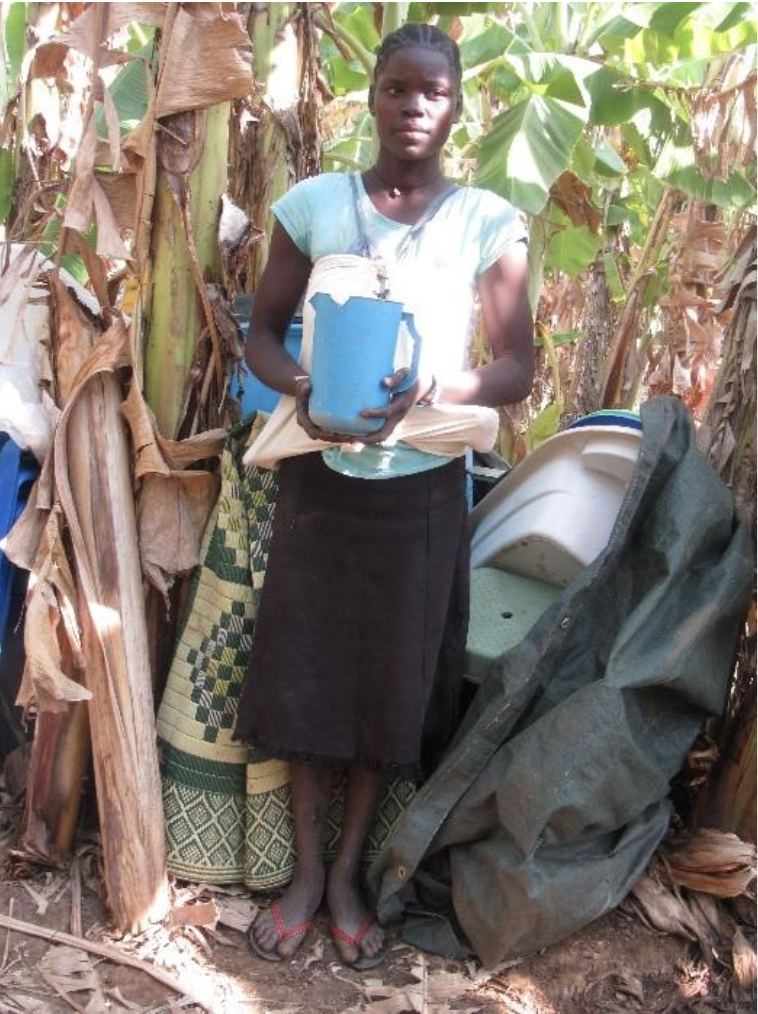
Everything began to shift when Mary Michael was introduced to Lift Up the Vulnerable’s agriculture and farmer training program.
The opportunity moved away from short-term aid, toward an investment in her ability to grow her own future.
Mary Michael and other community members learned sustainable farming techniques — how to care for the soil, manage pests, and reduce post-harvest loss. They were trained in nutrition-smart agriculture, discovering not just how to grow food, but what to grow for every family’s health.
As her farm expanded, she had resources to exchange for other seedlings. For the first time, Mary planted more than survival crops. She planted vegetables and fruits.
And slowly, everything began to change.
Today, Mary Michael’s farm is no longer a place of uncertainty; it’s a source of stability.
Her children are healthier and they miss fewer days of school. They have the energy to learn, grow and simply be kids again.
Mary Michael now spends less time searching for food and more time investing in what matters — her family, her farm, and her future. She’s able to save money, purchase livestock, and even build a more durable home. “The most powerful change,” she said, “is the sense of pride and control over my life and food.”
That transformation doesn’t stop with her.
Because of the generosity of our donors, the impact is multiplying across her community.
Families are eating better. Children are growing stronger. Farmers are working together, sharing knowledge, and diversifying markets. Women are gaining a voice in decision-making. This is how trafficking prevention takes root. As food security increases, the pressures that lead to exploitation begin to fade — keeping children in school, families together, and communities more connected, more resilient, and more hopeful..
Mary Michael’s story is a reminder of something we see every day: when food security is strengthened, hope grows.
To expand conservation agriculture across LUV’s three school farms, we’re working toward a $228,000 goal. $180,000 has already been raised — and the remaining $48,000 will help move these farms toward long-term food security and sustainability.
This investment will cultivate 303 acres, employ over 310 local leaders, nourish the 1,400 students in our schools, and move these communities toward lasting food security and self-sustainability.
Would you consider being part of what we’re growing?
Your generous one-time or monthly gift will equip local changemakers, address root causes of exploitation, and grow hope and resiliency in war-torn communities.